
€235
€240
Save up to €45 in queue time
- Priority access
- Skip the queue
- Free cancellation up to 24h

Uluru — Sunrise Base Walks & Guided Desert Experiences
Red earth under first light, ancient stone holding time still
Compare fares, pick the fit — all bookings are mobile-voucher and eligible for free cancellation where shown.
Save up to €45 in queue time
Save €25 vs gate
Duration · 2 hr
Hand-picked experiences loved by thousands of travelers
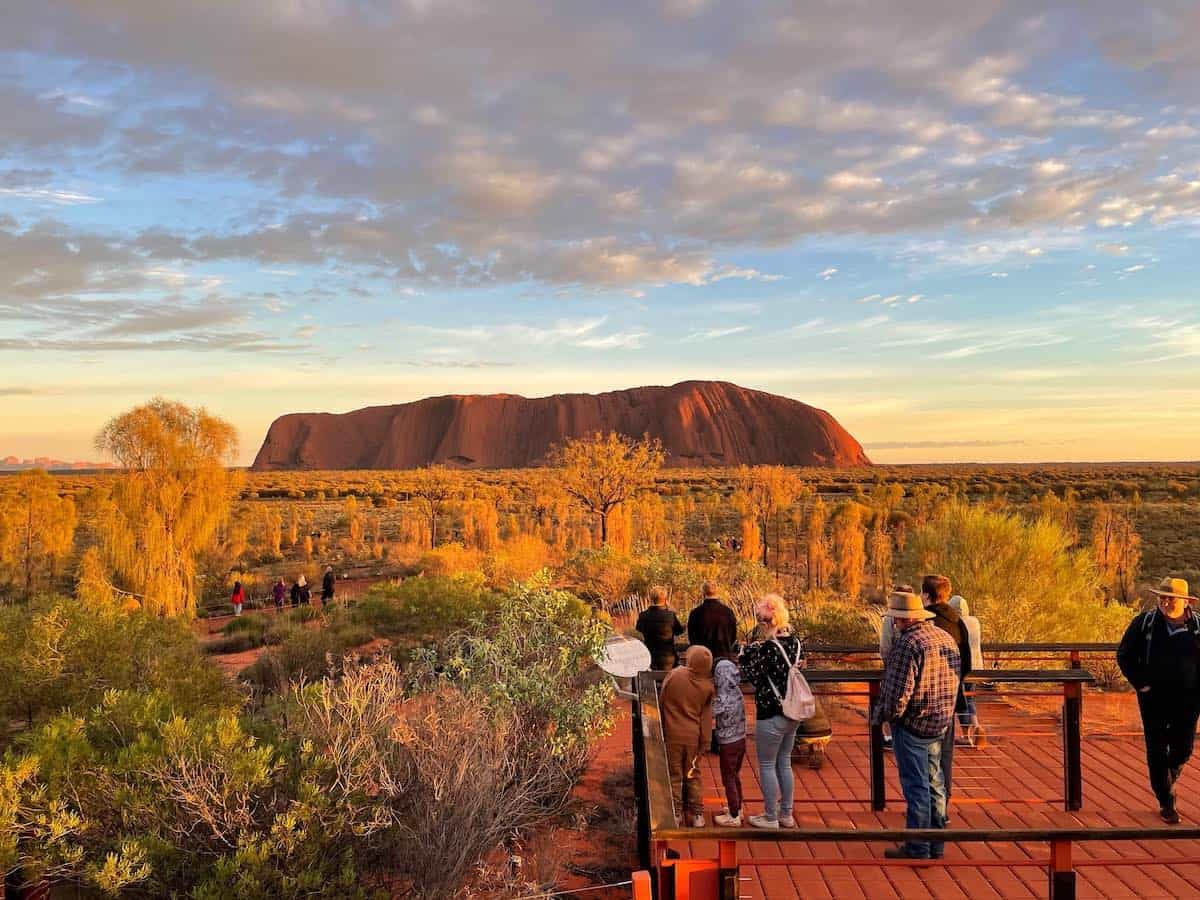
Arrive between 05:00 and 06:30 to watch the sandstone shift through ochre, red, and violet as the sun rises over the desert.
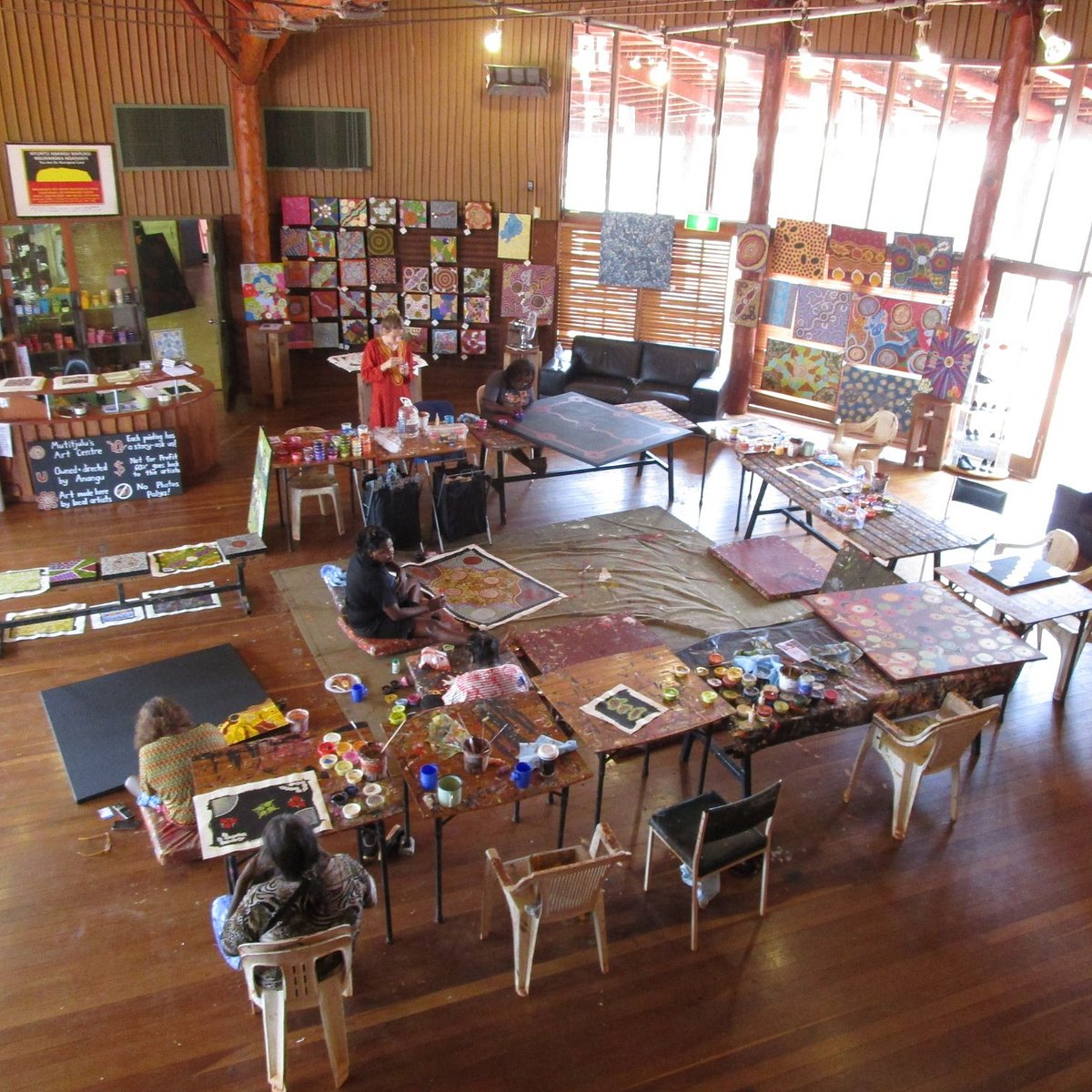
Learn about Anangu Tjukurpa, view dot-painting exhibitions, and pick up trail maps for the day.
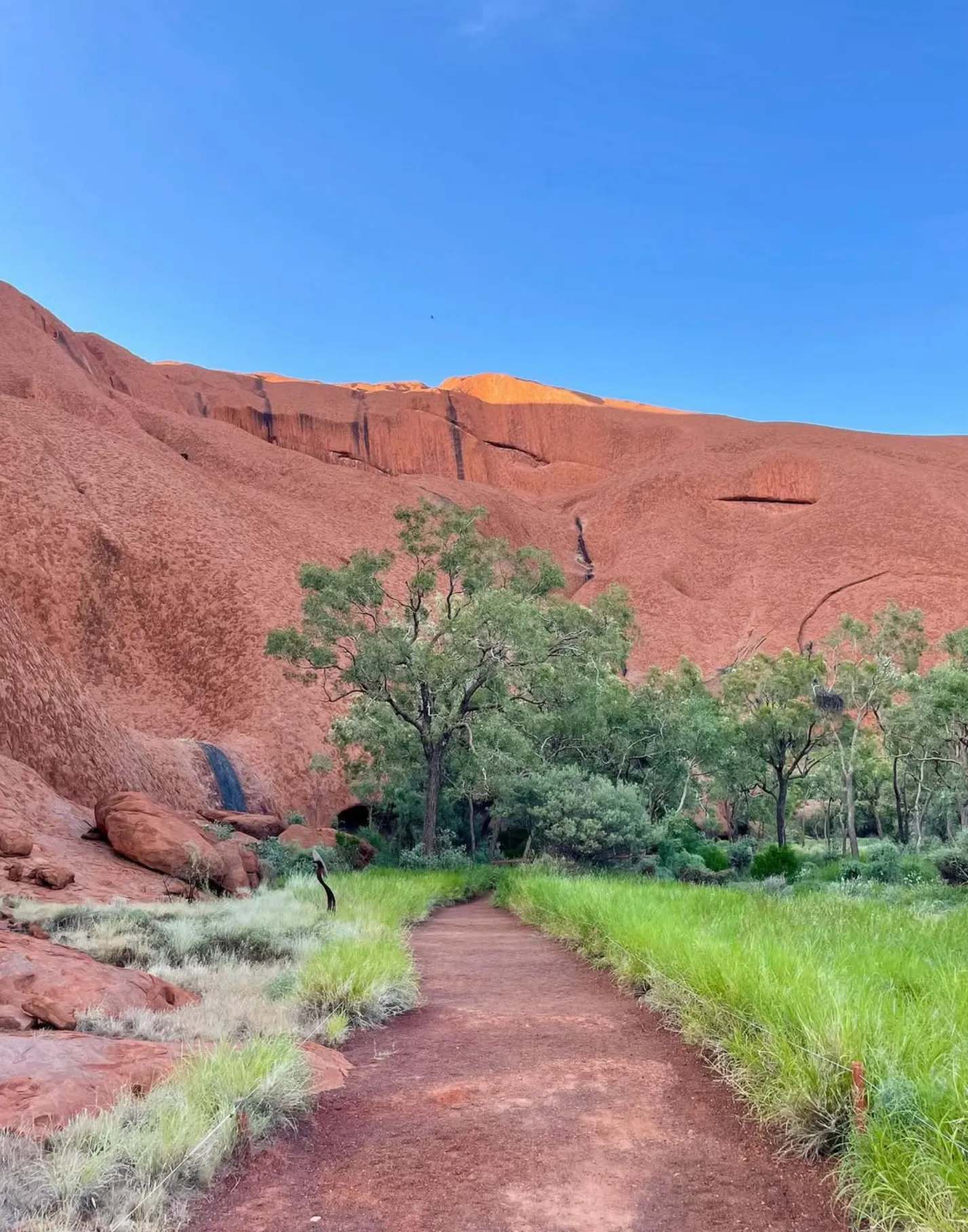
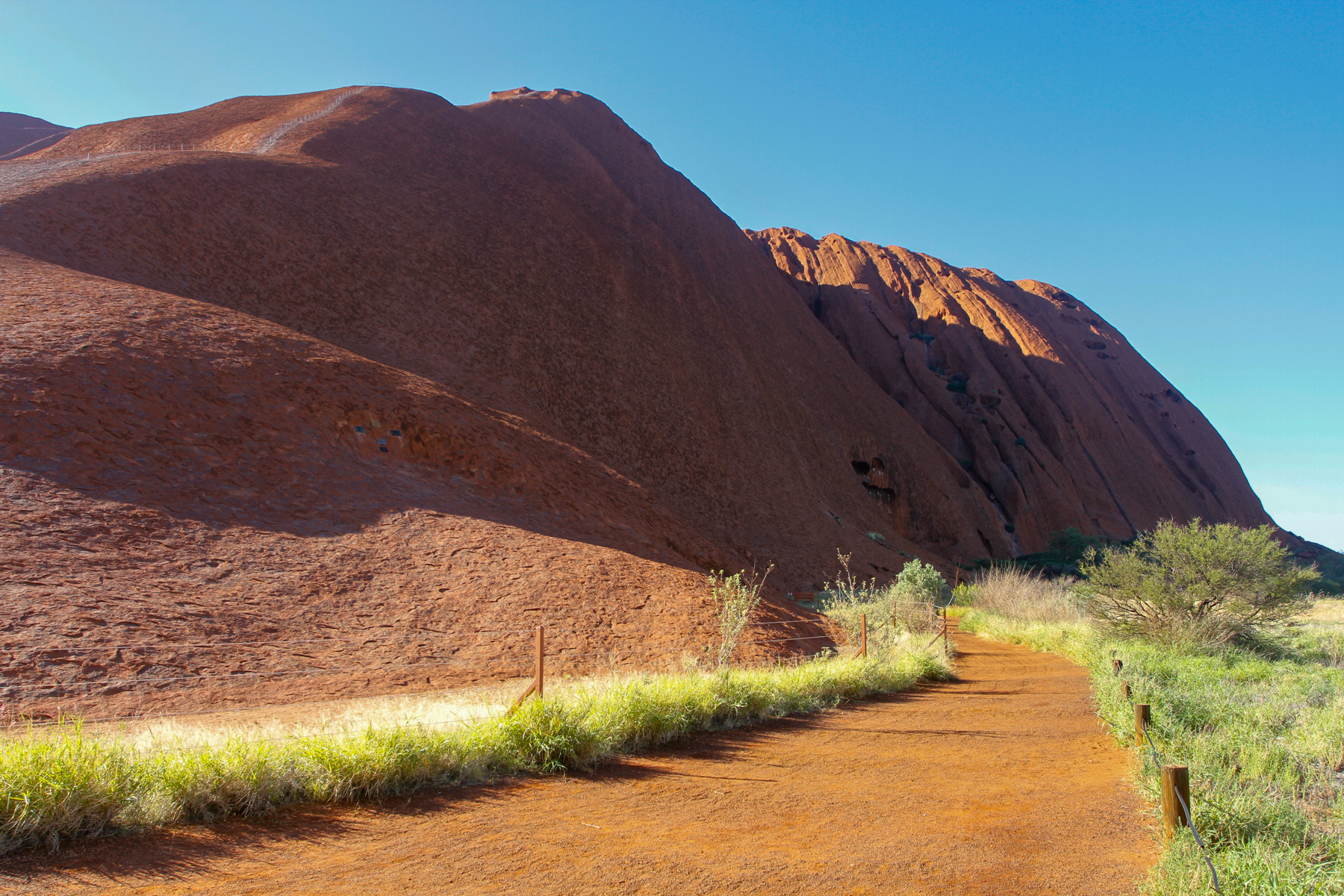
Follow the 10.6 km sealed-and-sand path around the monolith, passing Mutitjulu Waterhole and Kantju Gorge.
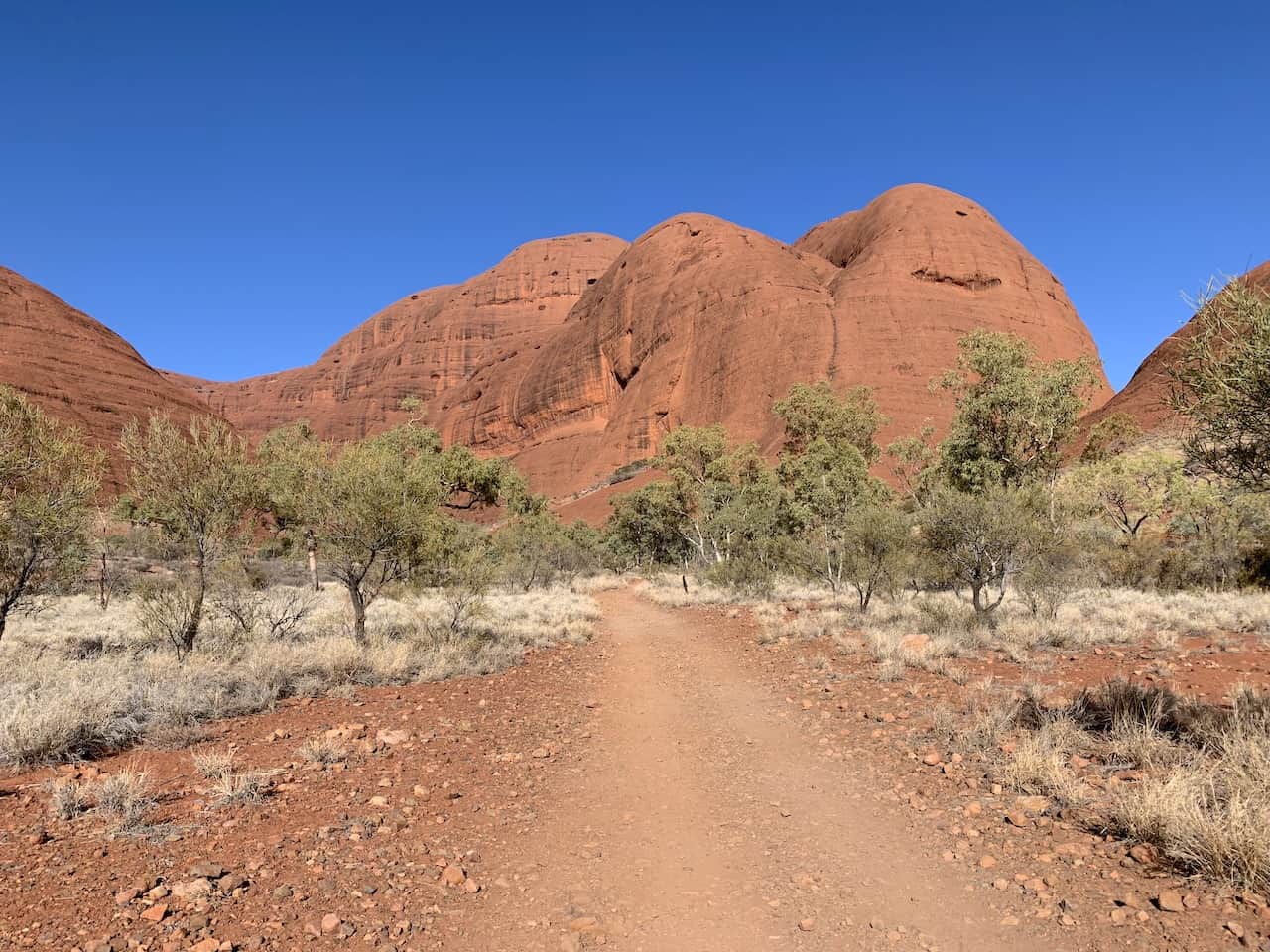
Drive 50 km west to walk the 7.4 km loop through the domed rock formations.
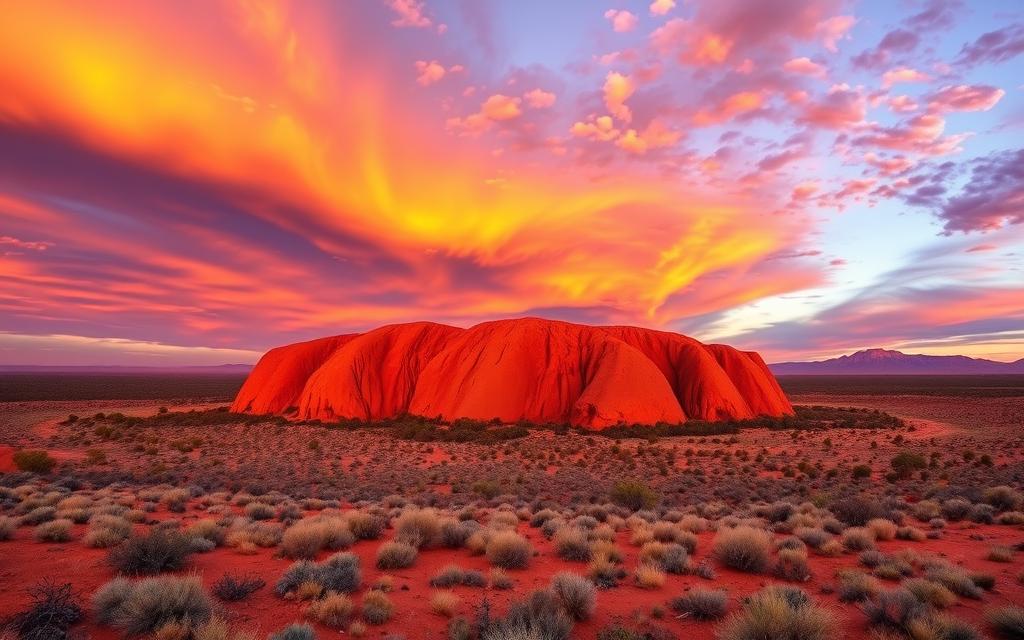
Return to the designated sunset car park with a clear western sightline as the rock glows deep crimson.
All the details about your upcoming adventure in one place
Uluru tours offer guided base walks, sunset viewing, and cultural storytelling led by Anangu Traditional Owners at this sacred sandstone formation. Rising 348 metres above the red desert, Ayers Rock holds deep Tjukurpa significance for the local people who have cared for this land for tens of thousands of years. Secure your Uluru tickets in advance during peak season from April to October.
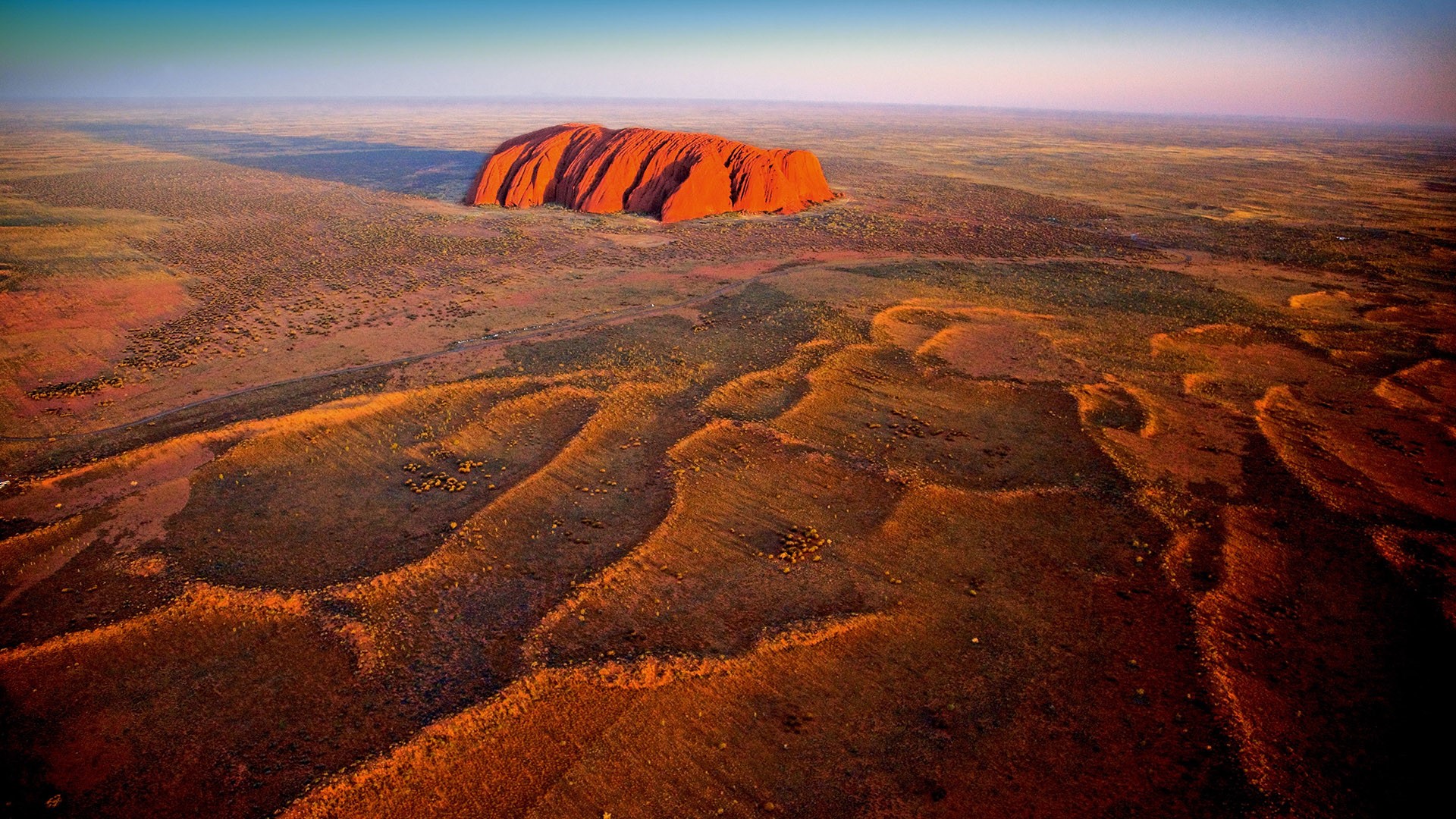
Uluru rises 348 metres above the spinifex plains of the Western Desert — a sandstone inselberg whose exposed arkose dates back roughly 600 million years.
Anangu Traditional Owners have maintained continuous cultural connection to the site for at least 30,000 years, and the surrounding Tjukurpa songlines remain central to law and ceremony.
Today the monolith anchors a network of visitor infrastructure that includes the uluru hop on hop off bus connecting resort precincts to trailheads on a fixed uluru hop on hop off timetable. The hop on hop off bus uluru circuit simplifies logistics for travellers joining sunrise base walks or evening Field of Light installations. Uluru tours range from guided Segway circuits to full 10.6-kilometre base walks departing at gate opening — 05:00 daily — when desert temperatures remain manageable.
Wear lightweight, breathable clothing with sun protection — long sleeves and a wide-brim hat are recommended. Sturdy closed-toe walking shoes are essential for the base walk and surrounding trails. Temperatures can exceed 40 °C in summer, so dress in layers during cooler months (May–August) when mornings drop below 5 °C.
There are no bag checks or security screening at the park entrance. Carry a daypack with water, sunscreen, and snacks for walks. Large luggage should be left at your accommodation in Yulara.
Photography is permitted throughout most of the park, but several sacred sites along the base walk are clearly signed as no-photography zones — respect Anangu cultural restrictions. Drone use within Uluru-Kata Tjuta National Park is prohibited without a Parks Australia permit. Sunrise and sunset viewing platforms offer unobstructed angles for landscape shots.
Children under 16 enter free with a paying adult. The Liru Walk (4 km return) is flat and suitable for families with young children. The Cultural Centre offers interactive displays about Anangu Tjukurpa (creation stories) that engage school-age visitors. Pram access is limited to sealed paths only.
The Kuniya Walk (1 km return) is wheelchair-accessible with a sealed path leading to Mutitjulu Waterhole. The Cultural Centre is fully accessible with ramp entry and accessible restrooms. Other trails, including the full base walk, have uneven sandy surfaces that are difficult for wheelchairs or mobility aids.
No food or drink outlets exist at the rock itself — the nearest dining is at Ayers Rock Resort in Yulara, 20 km away. Carry at least 1 litre of water per hour of walking. Picnic areas with shade shelters are available at the sunset viewing car park and near the Cultural Centre.
Quietest weekday
Tour buses peak mid-morning
Sunset viewing areas fill early
The 38 AUD park pass is non-refundable once purchased. Guided tour bookings through third-party operators typically allow free cancellation up to 24 hours before departure; check individual operator terms.
| Option | Skip-the-line | Guide | Free cancellation | Price |
|---|---|---|---|---|
|
Skip-the-line
|
— | €235 | ||
|
Standard Entry
|
— | — | €150 | |
|
Guided Experience
2 hr
|
— | €435 |
Weather · crowds · average price — dots go green to amber to red as each metric rises.
Real experiences from real travelers
We joined one of the sunrise Uluru tours and the color shift from deep purple to fiery orange across the sandstone monolith was unlike anything I have seen. The Anangu-led cultural walk afterward gave real context to the landscape. Starting before dawn meant cooler temperatures and far fewer people at the viewing area.
Standing at the base of Ayers Rock at dawn, the only sound was wind brushing spinifex grass. The scale of the formation only hits you when you walk the full ten-kilometer base trail. I recommend carrying at least three liters of water even in winter.
The Red Centre in September was already warm by mid-morning, so we started our Uluru tour at first light. Bring more water than you think and wear a wide-brim hat for the base walk. The cultural centre near the car park has good context on Tjukurpa law and land management.
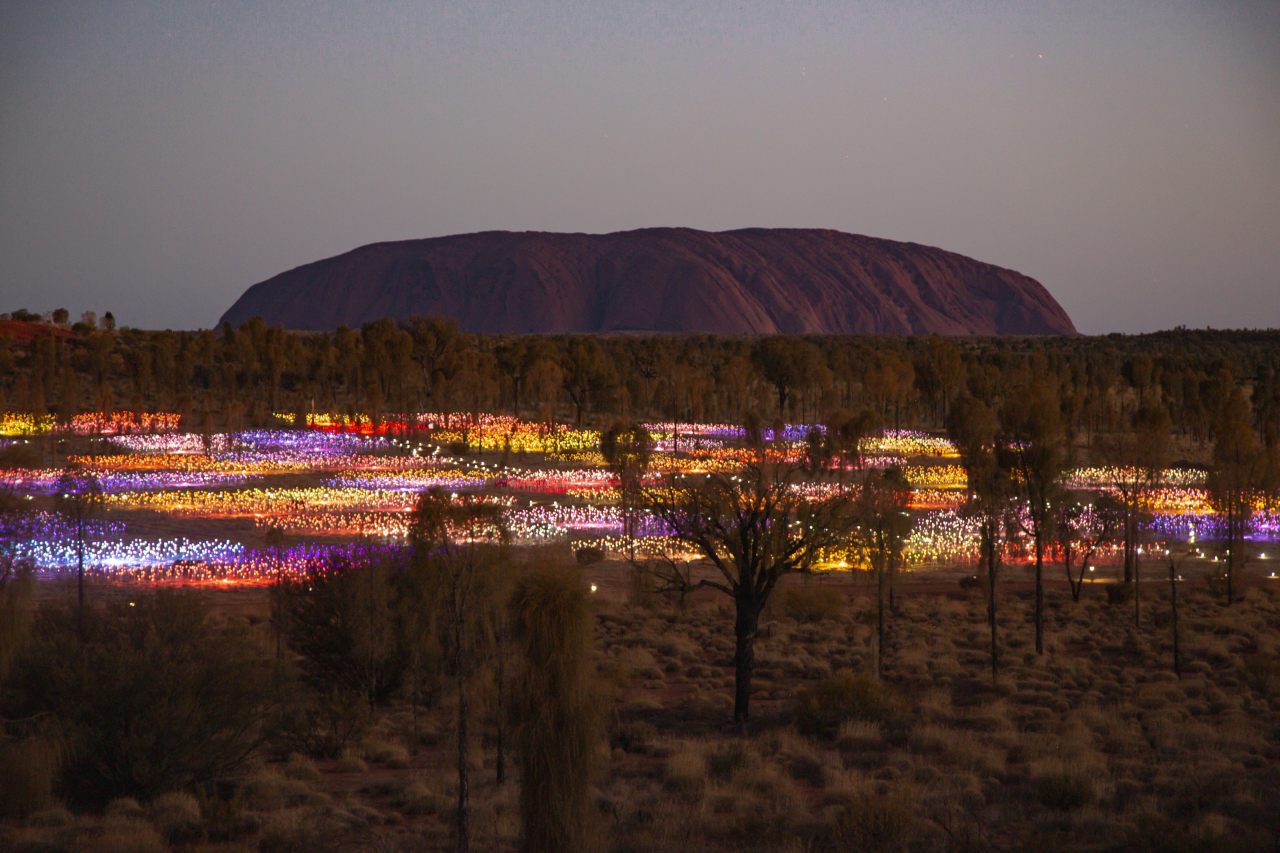
Watching the light change on Uluru from the designated sunset viewing area was deeply moving. The Field of Light installation nearby added a surreal contrast after dark, with thousands of softly glowing spheres stretching across the desert floor.
The Maruku Arts dot-painting workshop near Kata Tjuta gave us hands-on connection to Anangu traditions. I appreciated that the park prioritizes Indigenous storytelling over tourist spectacle. The drive between the two rock formations takes about twenty-five minutes and is well signposted.
The ochre desert stretching flat in every direction makes the monolith feel almost impossible. We booked Uluru tickets for the Valley of the Winds walk the next day and it was equally rewarding. Both sites benefit from an early start to beat the midday heat.
Growing up hearing about Uluru-Kata Tjuta National Park, actually being there felt overdue. The ranger-guided Mala Walk explained the rock art panels in a way no guidebook could. Camping at the resort under a canopy of stars rounded out the trip perfectly.
The sunset viewing platform was packed shoulder-to-shoulder and finding a clear sightline took effort. The rock itself is extraordinary, but I wish we had chosen a quieter vantage point further along the road.
After a full day exploring the base, the night sky above the outback was a second reward. Zero light pollution meant the Milky Way arched directly overhead. If you have time, the camel ride at dusk offers a different perspective on the surrounding plains.
Everything you need to know for your journey
The park is open daily from 05:00 to 21:00. Gates open at 05:00 so visitors can reach the sunrise viewing area in time for first light.
A 3-day park pass costs 38 AUD per adult aged 16 and over. Children under 16 enter free.
The Kuniya Walk to Mutitjulu Waterhole is sealed and wheelchair-accessible. The full 10.6 km base walk includes sandy and uneven sections that are not suitable for wheelchairs.
No. The climb was permanently closed in October 2019 at the request of the Anangu traditional owners. Visitors can explore the base walk and surrounding trails instead.
Lightweight, breathable clothing with sun protection is recommended. Wear sturdy closed-toe shoes, a wide-brim hat, and apply SPF 50+ sunscreen before heading out.
Photography is allowed in most areas, but several sacred sites along the base are signed as no-photo zones. Drones are prohibited without a Parks Australia permit.
May to August offers mild daytime temperatures and clear skies — ideal for walking. Arrive between 05:00 and 06:30 for sunrise colours and cooler temperatures before desert heat builds.
There are no food outlets at the rock. The nearest restaurants and shops are at Ayers Rock Resort in Yulara, about 20 km away. Carry water and snacks for all walks.
Drive 450 km south from Alice Springs via the Stuart and Lasseter Highways (approximately 4.5 hours). Alternatively, fly 45 minutes to Connellan Airport and transfer to Yulara.
Yes. Children under 16 enter free with a paying adult. The Liru Walk is flat and family-friendly, and the Cultural Centre has interactive displays designed for younger visitors.
Most third-party tour operators offer free cancellation up to 24 hours before departure. The 38 AUD park pass itself is non-refundable once purchased.
Kata Tjuta (The Olgas) is 50 km west and features the Valley of the Winds walk through 36 domed rock formations. Kings Canyon in Watarrka National Park is a 280 km drive north-east.
 4h
4h
 13h
13h
 96h
96h
 5h
5h
 3h
3h
 3h 30min
Join thousands of happy travelers who have discovered this incredible experience
Book Your Experience Now